Sunday, November 3, 2019
നൂല്പ്പാലത്തിലൂടെ- സര്ഗാത്മകതയും വ്യക്തി-ഔദ്യോഗിക ജീവിതവും
Tuesday, September 17, 2019
A review of ‘Get Carter'(1971)- One of the greatest British films of all time
A review of ‘Get Carter'(1971)


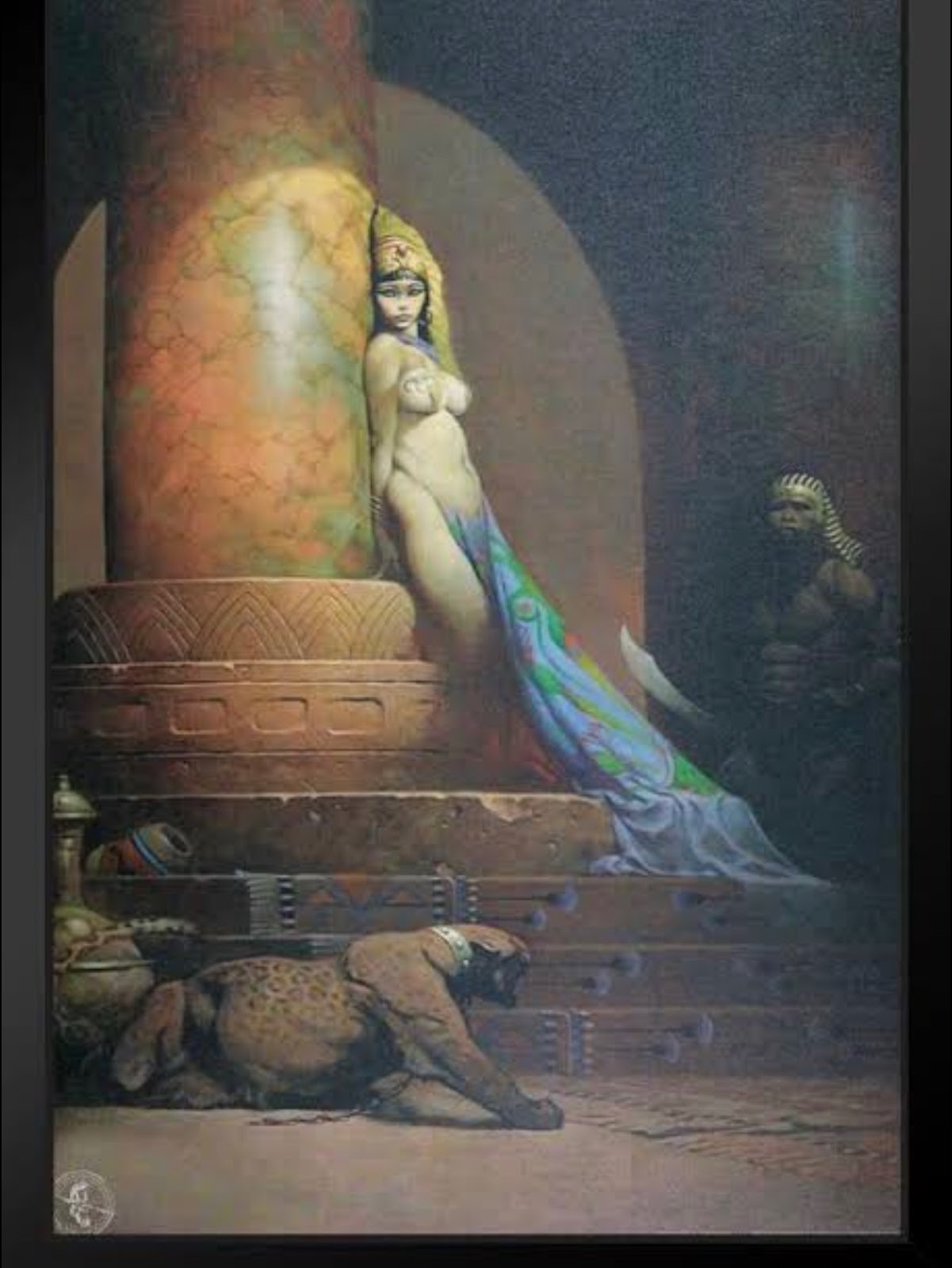
Frank Frazetta-Master Illustrator and Painter.
Many years later, while looking through the works of major comic book artists I came across the same paintings which i had seen on the covers of Tarzan novels .They were drawn by one Frank Frazetta, an american artist of italian descent .
The more I read about him and and saw his works I was astounded by their quality and quantity .
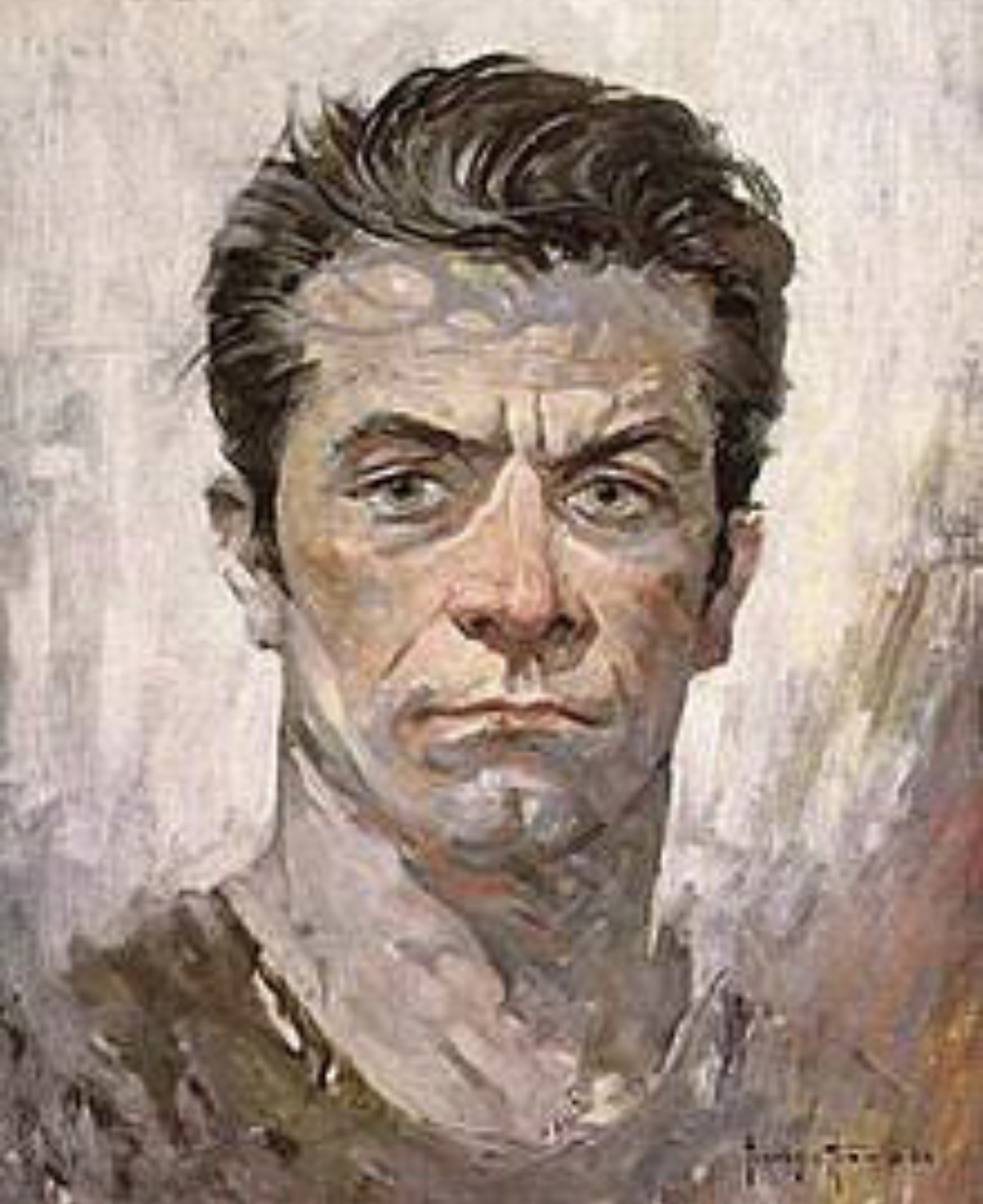
Frank Frazetta -Self Portrait Here is a brief biography taken from Internet : Frank Frazetta was born February 9th, 1928 in Brooklyn, New York, the only boy in a family with 3 sisters. He is widely considered to be the most influential and most emulated fantasy artist in history.
Frazetta began drawing at the age of three and sold his first work soon after.At the age of 8 Frazetta's parents were encouraged and convinced by his school teachers to enroll him in the Brooklyn Academy of Fine Arts. He attended the academy for eight years under the tutelage of Michael Falanga, an award-winning Italian fine artist. By 1944, at the age of 16, Frank Frazetta published his first comic story "The Snowman" in Tally-Ho Comics.
At age 16 Frazetta started looking for work and drawing illustrations for comic books: Westerns, fantasy, mysteries, histories and other contemporary themes. He later turned down multiple job offers from Walt Disney in the late 1940s.
n the early 1950s Frank Frazetta worked for EC Comics, National Comics (which featured the character "Shining Knight"), fantasy book company Avon and several other fantasy/comic book companies.
The 1965 to 1973 period was explosive time for Frazetta and most of his seminal and famous images were done during this period.
By the 1980s Frank Frazetta's fame was all encompassing. He was essentially the fantasy artist that everyone wanted. Clint Eastwood, George Lucas, Steven Spielberg and Sylvester Stallone all commissioned works for their various movie projects.
Frazetta's artwork also graced the covers of record albums. Molly Hatchet's first two albums feature "The Death Dealer" and "Dark Kingdom" respectively.
Frank Frazetta died May 10th 2010 at Lee Memorial Hospital in Fort Myers, Florida. He had suffered a stroke the night before....
Frazetta is survived by two sons, Alfonso and William, two daughters, Heidi and Holly and 11 grandchildren.(Courtesy: Internet article on Frazetta)
Link to his works:
http://frankfrazetta.org/
https://www.pinterest.com/amp/chrisfernz/frank-frazettas-sketches/
http://blog.ricecracker.net/2011/02/13/frank-frazetta-sketches-line-drawings/
Tuesday, August 20, 2019
Despondence
My anger never ever served me well
It has locked me up in a personal hell
I remained out of tune with the world
Seething curses to which I hurled
Dejection enveloped me like a shroud
Depression bogged me down in the crowd
Decisions made without any thought
Many a dangerous peril they brought
It stings when others cross milestones
In life I stand where I stood for eons
To end it all won't make a difference to them
So I just go on with this flat lining rhythm
പ്രളയ താണ്ഡവം
ആർത്തലച്ചിരമ്പിയെത്തി കൂറ്റൻ മരങ്ങളെ കടപുഴക്കിയെറിഞ്ഞു നിൻ പ്രളയതാണ്ഡവം
പ്രചണ്ഡമായ പ്രകമ്പനത്താൽ ആർത്തനാദങ്ങളെ തളർത്തി
മരണത്തിൻ കരിമ്പടത്താൽ നീയാ ഹതഭാഗ്യരെ പുതപ്പിച്ചു
ഒരു കുരുന്നു ജീവനെ കശക്കിയെറിഞ്ഞപ്പോൾ കരുണയെന്ന വികാരത്തെ
നീ ഓർത്തില്ലയോ
നീ തീർത്ത പേമാരി ഒരു കാട്ടുതീയായി ജ്വലിച്ചു മണ്ണിനെ സ്നേഹിച്ചവരുടെ സ്വപ്നങ്ങളെയെരിച്ചു കളഞ്ഞില്ലേ
ഇതൊക്കെയെകിലും വെറുക്കില്ല നിന്നെയാരും
തന്നതെത്രയോ ഏറെയെന്നത് മറക്കില്ലൊരിക്കലും
അതിജീവനത്തിന്റെ പാതയിൽ കൈ കോർത്ത് ഞങ്ങൾ
നവപ്രഭാതത്തിൻ പ്രതീക്ഷയിലേക്ക് നീങ്ങുക തന്നെ ചെയ്യും
രാംനാഥ് പി
Wednesday, September 20, 2017
Ghost and the Darkness
In 1898 two African lions, known locally as "The Ghost" and "The Darkness", killed a number of workers on the East Africa Railroad at the Tsavo River and halted the project until they were hunted down and shot by a British foreman. The incident was described in a book titled The Man-Eaters of Tsavo that became, in 1996, the basis for a movie starring Michael Douglas and Val Kilmer. Today, the mounted taxidermy skins of the two lions are on display in the Field Museum in Chicago. Join me below for the real history of the Ghost and the Darkness
The Tsavo Man-Eaters, on display at the Field Museum in Chicago.
In 1896, the British decided to construct a railroad in their East African colony, running from the coastal port city of Mombasa, in modern-day Kenya, all the way to Lake Victoria and then on to Uganda. Officially named the Uganda Railroad, it was mocked by critics as "The Lunatic Line" and was said to run "from nowhere to nowhere". The British colonialists hoped that the railroad would encourage people to move into the interior of Africa, and would provide a method of transporting trade products between Africa and Europe. Thousands of laborers (called "coolies") were imported from India to build the railroad, which would cover about 580 miles, cross several rivers and valleys, and take over 30 years to complete, reaching Nairobi in 1899, Kismu on the shore of Lake Victoria in 1901, and Kampala, Uganda in 1928. It was considered a shining symbol of modern British progress in the "civilization" of what was then known as "The Dark Continent".
In February 1898, two years into its construction, the railroad line had reached the Tsavo River in Kenya, 130 miles northwest of Mombasa. A temporary bridge was built to allow the track to cross the river and continue being built on the other side. In March, British Army Colonel John Henry Patterson was brought in from India to oversee the construction of a permanent railroad bridge across the river. The river valley was about 100 yards wide. Patterson began by locating a source of suitable stone about three miles away and building a small tram line to the bridge site. These stones would be used to form foundation piers in the river bed, upon which the bridge pillars would be constructed. Meanwhile, construction of the actual railway continued. Because of this, several thousand workers were scattered in a string of camps along the railroad over a distance of some 20 miles. Patterson was responsible for all of them.
Within just a few days of Patterson's arrival, people began to disappear.
At first, Patterson didn't believe the natives who told him that there was a lion attacking the workers. Quickly, however, reports of lion sightings began coming in, and the remains of dead workers began to be found. It became clear that there were at least two lions involved. Every few days, one of the lions would strike at one of the scattered campsites, then another, attacking horses, donkeys, goats, cattle, and people. The Indian workers constructed protective fences around their camps, known as a boma, made from the thorny branches of Acacia trees, and kept campfires burning all night, but still the lions found their way through. In one incident, one of the lions clawed its way into a tent and attacked a sleeping worker, but in the confusion dragged away the worker's mattress instead--when it realized its mistake, the lion dropped the mattress and ran off.
By April, the railroad rails extended some 40 miles away from Tsavo, and only a few hundred workers remained behind to construct the bridge. They were concentrated into a number of camps at the bridge site, and this is where the lions now began to concentrate their hunts. Patterson spent several nights perched in a tree with his rifle hoping to spot the lions, but couldn't find them. One night, one of the lions broke into the hospital tent and dragged away one of the patients. Patterson decided to move the hospital tent to a different spot, but the next night, the lion returned to the new location and dragged the water-carrier out of the hospital--his head and one of his hands were found the next morning.
Patterson then moved the hospital tent again, and placed a railroad car with some cattle inside at the old location. Accompanied by the camp doctor, he stayed up all night with his rifle, hoping the lion would return. And it did. The lion managed to get into the boxcar and kill one of the cattle, but couldn't figure out how to drag the body out through the boma fence. Instead, it began to stalk Patterson and the doctor. When it attacked, Patterson managed to wound it in the mouth with a rifle shot, breaking off one of the canine teeth.
After that, the lions apparently left the area for a few weeks (Patterson later learned that they had been raiding one of the construction camps at the railroad, which was now many miles away). Assuming they would be back, Patterson constructed a mechanical trap inside the railway car that would drop a set of iron bars if anything entered. For several nights in a row, Patterson himself was the bait, spending the night inside the boxcar to try to lure one of the lions in.
A few weeks later, the lions were back. One of the cats entered a boma and dragged one of the workers out, where he was joined by the second lion. They ate the worker just 30 yards away from the camp. For the next several months, the lions would periodically return to make another kill. On December 1, most of the workers boarded one of the trains and left. Only a small number remained behind to finish the bridge.
Two days later, the Superintendent of Police arrived with 20 men to help hunt down the lions. That night, one of the lions finally entered the boxcar trap, but despite a number of shots being fired at it from close range, was able to get out. The Police Superintendent and his men spent several days looking for the lions, with no success. They left, after providing Patterson with a high-powered hunting rifle.
On December 9, one of the lions killed a donkey and, as it ate, Patterson instructed a group of workers to approach it making as much noise as possible, to drive it into the open. When the lion emerged, Patterson managed to wound it with the rifle. Expecting that the lion would return that night to his kill, Patterson built a wooden platform and waited. The lion indeed returned, but ignored the dead donkey and approached Patterson instead. Patterson killed it with two rifle shots.
One lion remained, and a few nights later it attacked two goats. Patterson set out three more goats as bait, tying them to a short section of railroad tie, and waited. The lion returned, killed one of the goats, then dragged the entire railroad tie, still attached to the goat, away. Patterson's shots missed. The next morning, Patterson and a group of workers followed the trail and found the lion, which ran off. Patterson built another wooden platform, and when the lion returned that night, wounded it with two shots.
For the next ten days, nothing happened, and Patterson concluded that the lion had died of its wounds. Then, the lion returned and made an unsuccessful attack on a worker sleeping in a tree. That night, Patterson lay in ambush in the same tree, and when the lion returned, wounded it twice more. In the morning, they followed the blood trail and found the lion, which charged at them. Patterson killed it with two more shots. It was December 29, 1898.
Examination of the two dead lions showed that they were both males and were, like most of the lions in the Tsavo region, maneless. Most likely, they were brothers--young male lions without a pride of their own often form small packs or partnerships.
In 1996, Patterson's 1907 book, The Man-Eaters of Tsavo, was adapted into a Hollywood screenplay titled "The Ghost and the Darkness", which starred Val Kilmer as Patterson and Michael Douglas as the fictional big-game hunter character Charles Remington.
For years, there was much debate over just how many people the two lions actually killed over the nine-month period, with estimates running from the railroad company's figure of 28 to Patterson's figure of 135. In 2009, a team of biologists was able to do a chemical analysis on hair and skin samples from the Field Museum specimens, and used isotope ratios to determine the chemical makeup of the proteins in the lion's diet during their last months of life. They concluded that one of the Tsavo lions had eaten around 11 humans, and that the other had eaten around 24. That meant that one of the lions ate mostly herbivores with only about one-third of its diet coming from humans, while the other made up almost two-thirds of its diet with humans.
Patterson kept the skulls from both lions, and used their skins as rugs. In 1924, he sold the remains of the man-eaters to the Field Museum in Chicago, where they were mounted and put on display in 1928. They are still there today.
EVERFLOW - A POEM
Thoughts, streaming endlessly Down a narrow gorge Craving for an expanse, To spread even , self forged. Calm without a hint of storm, Clea...
-
A review of ‘Get Carter'(1971) During 2005-07, i was studying for MBA at CET, Thiruvananthapuram. Being an incorrigible book wor...
-
Manichithrathazhu –My musings on one of the greatest Malayalam film of all time Much has already been written about the classic film ...
-
In my youth (80's and early 90's) entertainment opportunities were limited . We did not have the luxury of cable TV, internet , mob...